
The complete guide
How to Choose a Silk Sleep Mask That Does Not Press on Your Eyes
The problem with most sleep masks
You buy a sleep mask because the streetlight outside is too bright, or because your partner reads until midnight, or because you work nights and have to sleep while the rest of the suburb is up. So you get a flat strip of padded fabric with an elastic strap, pull it on, and within half an hour you notice something odd. Your eyes feel squashed. You open them under the mask and the fabric is right there, touching your lashes.
That is the design fault. A flat mask has to press on your face to block light, and the softest part of your face is exactly where it presses. People deal with it by loosening the strap, which then lets light in beside the nose, which defeats the point. So they tighten it again and wake up with a line across their forehead.
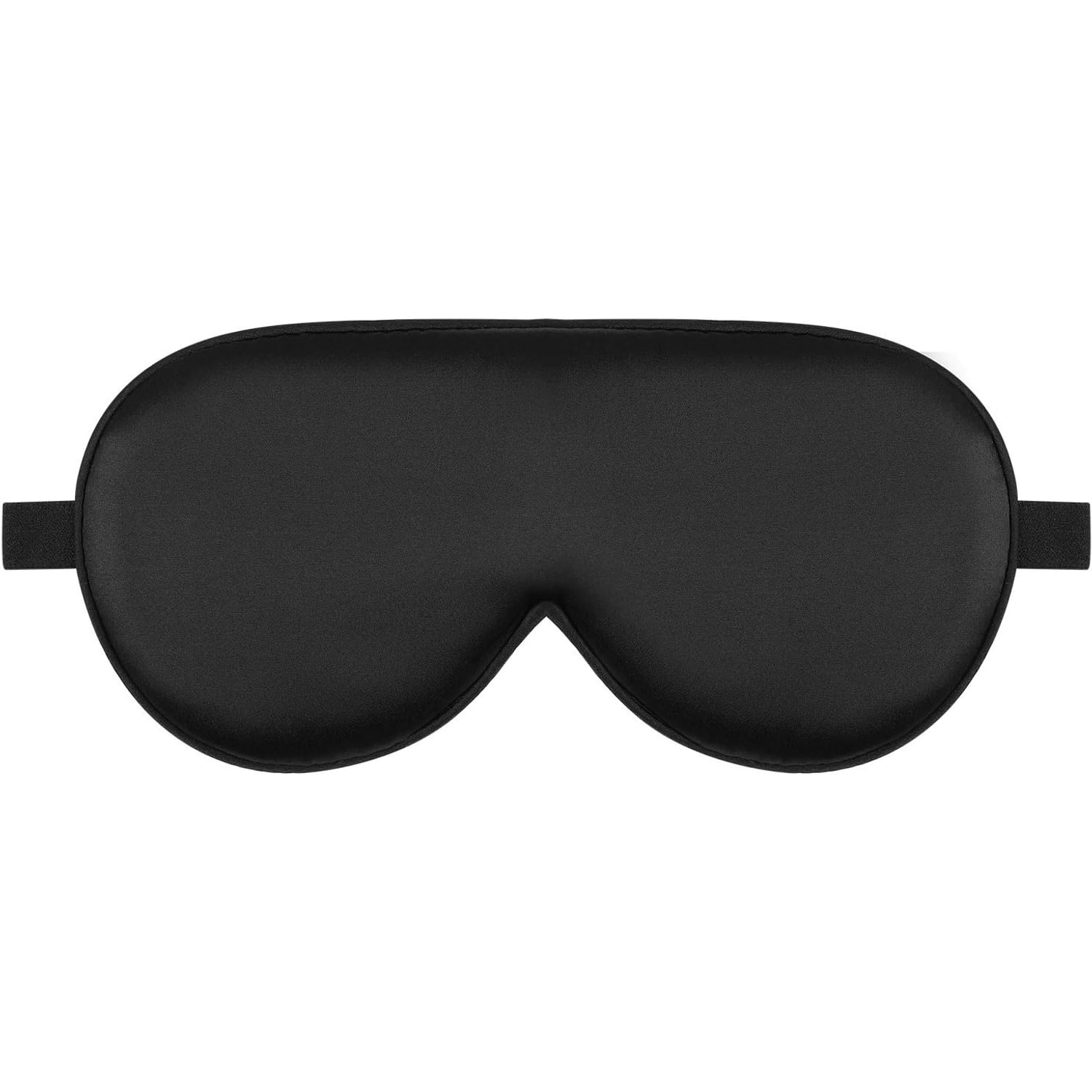
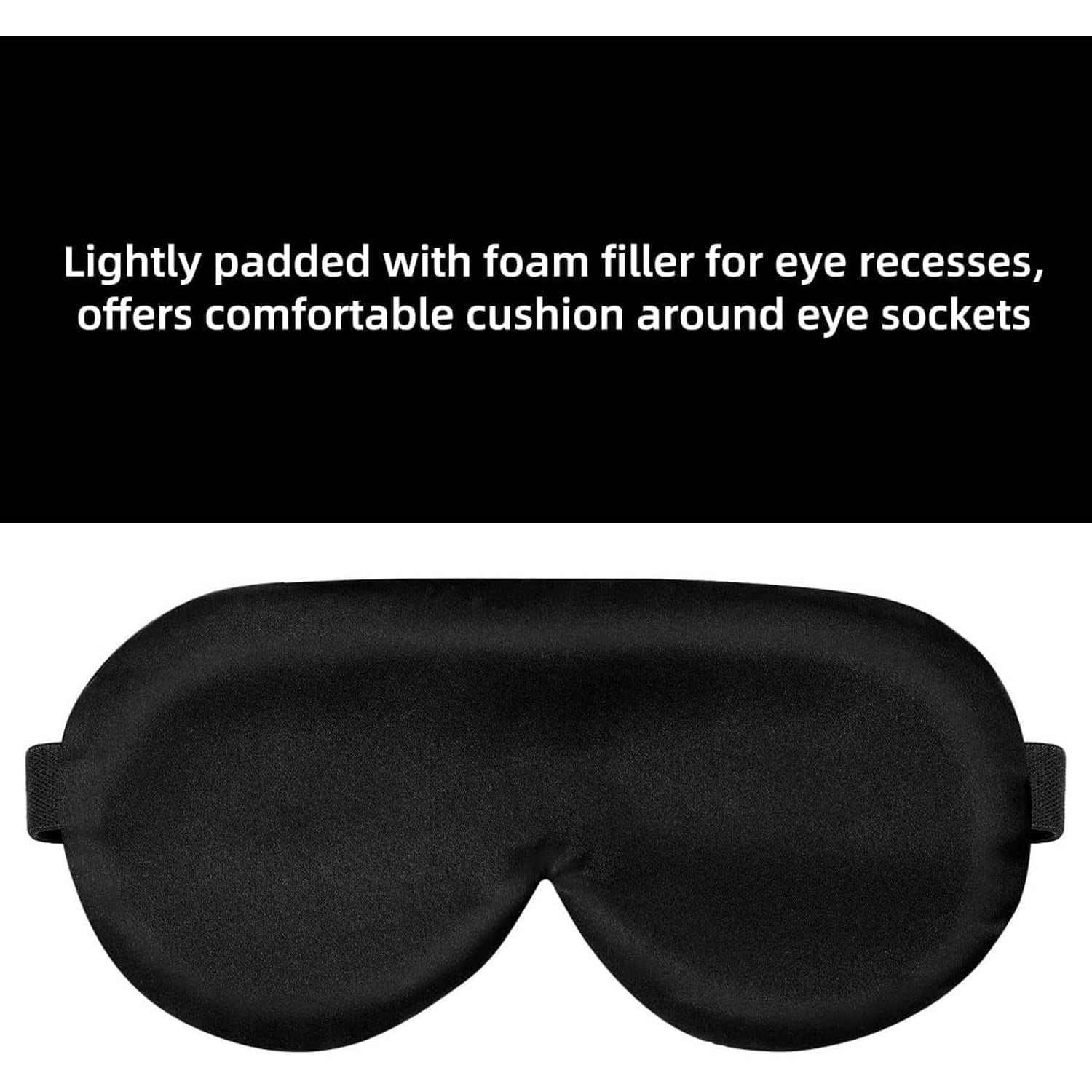
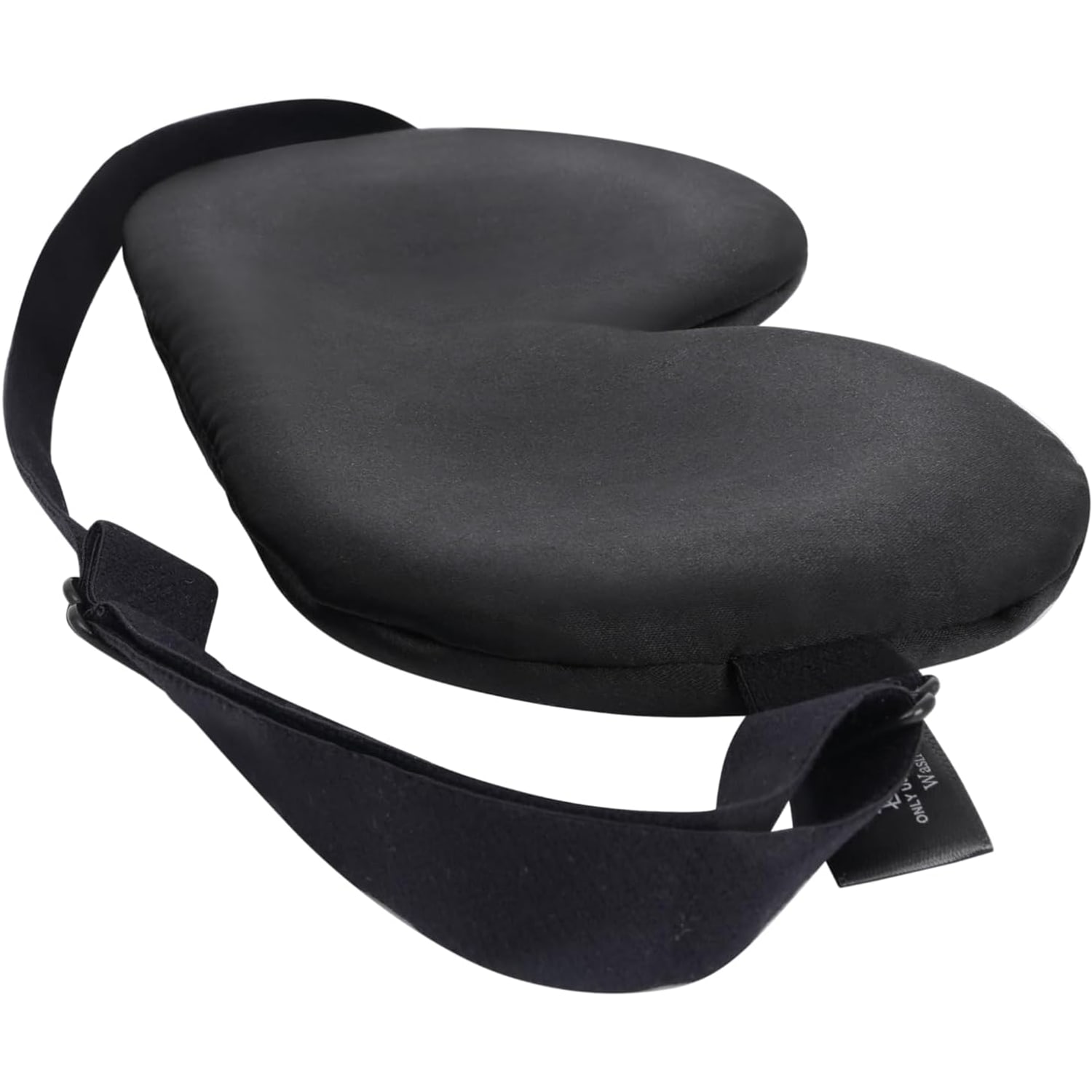
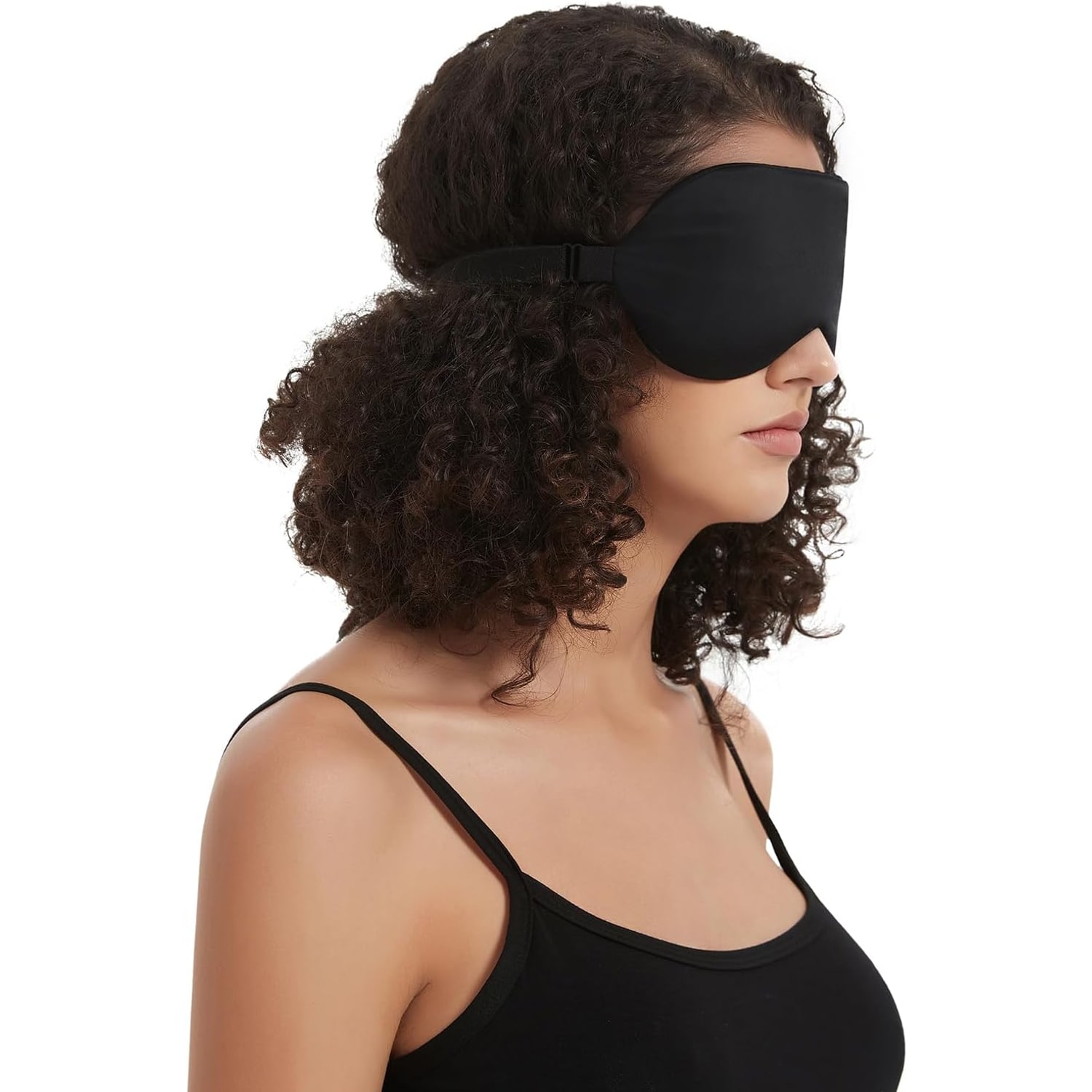
A contoured mask solves it from a different angle. Instead of a flat pad, there is a moulded insert that forms two shallow recesses. The fabric arches over your eye sockets and rests on the brow bone and the cheekbone, both of which are hard and do not mind the contact. Your eyelids have nothing on them. You can blink, your lashes stay flat, and the only pressure you feel is on bone.
How the shape blocks light
Darkness in a sleep mask comes from two things, the opacity of the fabric and the seal around the edges. Most masks get the first part right and the second part wrong.
The gap that matters is beside your nose. Your face slopes down steeply there, and a flat mask bridges that slope rather than following it, leaving two small triangles of light pointing straight at your eyes. When you are trying to sleep at two in the afternoon, those triangles are the whole problem.
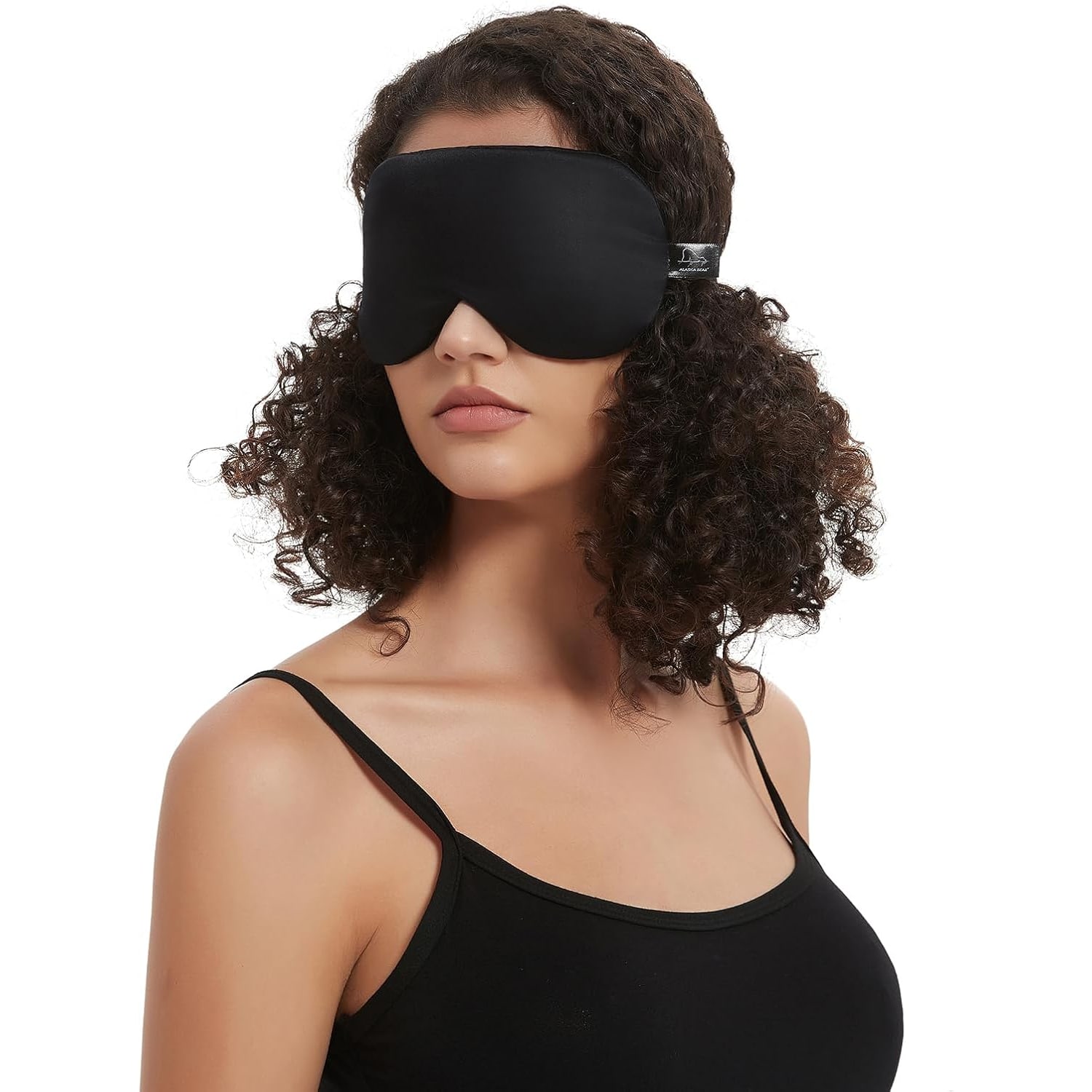
This mask is cut with a higher nose curve, so the edge follows the slope rather than hopping over it. The seal comes from shape, not from tension. That is why you can wear it on a loose setting and still get proper darkness, and why it stays comfortable for a full eight hours rather than just the first two.
Some light at the bottom edge is normal on any mask, and a little varies with face shape. The test is simple. Put it on in a bright room, face a window, and see what you can see.
Why silk against the face
Silk gets talked about a lot, so it helps to be specific about what it actually does here. Silk fibres are smooth, which means skin and hair slide across them with less friction than across cotton. For a sleep mask, that matters at the edges. A rougher fabric drags at the corner of your eye every time you turn over, and over a few hours that is what makes a mask annoying.
Silk is also breathable and sits cool against the skin, which is a real advantage in a South African summer or on a stuffy flight. And it holds its smoothness after washing in a way that some synthetic linings do not.
The other detail worth noting is what is missing. There is no piping, no decorative trim and no exposed seam sitting against the delicate area around the eye. That is where indents come from on a cheaper mask. The description is accurate, it is silky but not slippery, so the mask stays where you put it instead of sliding up your forehead.
The maker does not state the momme weight of the silk, which is the usual measure of silk density. If that is a deciding factor for you, it is worth knowing before you order.
Who it suits
Side sleepers. The hook-and-loop closure means there is no buckle or bulky knot to press into the side of your head. Anyone hunting for the best silk sleep mask for side sleepers should be checking the closure before anything else.
People with lash extensions. The eye cups keep fabric off the lashes, which is the single most common complaint about flat masks for anyone who has had extensions done.
Shift workers and day sleepers. Daylight is far brighter than anything you deal with at night, so the nose seal does more work. If you sleep after a night shift, this is where the shaped design earns its keep.
Travellers. At 17 g and folding down small, it lives in a handbag without you noticing. Black with a letter print is discreet enough to wear on a plane without feeling self conscious, and it is a strong pick for the best silk mask for long flights.
Light sleepers at home. A partner who reads late, a passage light, a bright digital clock. Small irritations, but they add up over a year.
How to get the fit right
Put the mask on sitting up, with the cups centred over your eyes and the nose curve following the slope of your nose. Then close the strap with just enough tension that the mask stays put when you shake your head gently.
Now lie down and turn onto each side. If the mask shifts, tighten by a centimetre. If you feel it gripping your temples, loosen it. Most people set it slightly too tight the first night because they are worried about light leaks, then settle into a looser setting once they trust the shape.
One more thing. Give it three nights before you decide. Sleeping with anything on your face is a habit, and the first night of anything new is rarely a fair test.
Keeping it clean
Wash it every week or two, more often if you put it on over skincare or make-up. Close the hook-and-loop strap first so it cannot catch the silk, then put the whole mask in a lingerie bag and run a gentle cycle in cool water with a mild liquid detergent. Hand washing works just as well if you prefer.
Do not bleach it. Do not tumble dry it. Do not wring it, because twisting stresses the silk fibres and distorts the moulded cups.
To dry, roll it in a towel and press gently, reshape the cups with your fingers, then lay it flat somewhere out of direct sun and away from a heater. The foam insert holds a little more water than the fabric, so allow a full day. If you want to iron it, use the lowest silk setting on the fabric side only, never over the cups.
Owning two masks and rotating them is the easy answer for anyone washing weekly.
The short version
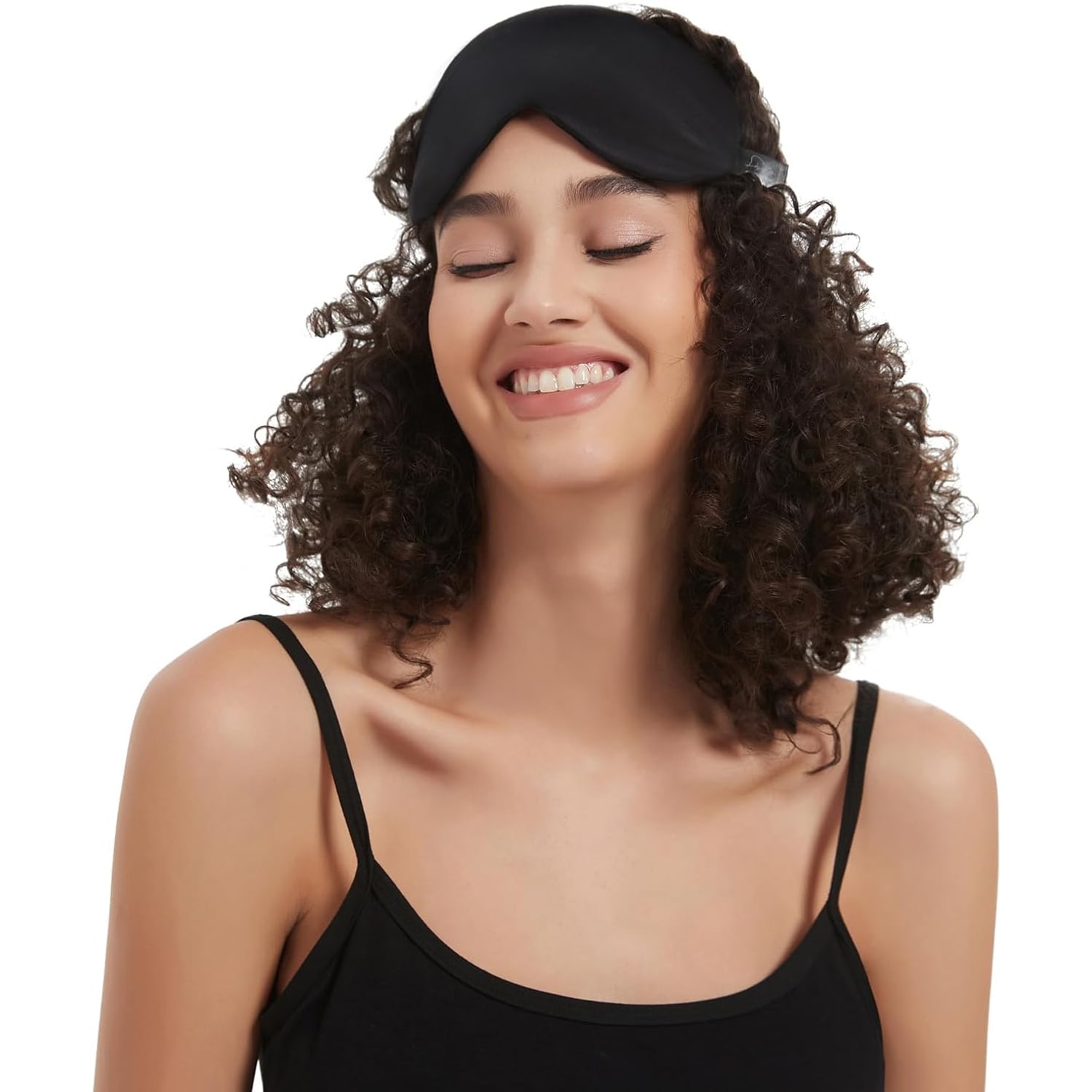
If flat sleep masks have put you off the idea entirely, the problem was probably the design rather than the concept. A contoured mask with hidden eye cups keeps fabric off your eyelids, and a raised nose curve closes the light gap without needing a tight strap. Add silk against the skin and an adjustable hook-and-loop closure, and you have a mask you can actually wear all night.
It weighs 17 g, washes in a lingerie bag, folds into a handbag and comes in a discreet black with a letter print. Set the strap once, switch off the light, and let the shape handle the rest.