

The complete guide
How to Choose a Silk Pillowcase, Momme, Size and Care Explained
The small thing that changes how a bed feels
Most of us put a lot of thought into the mattress and almost none into the thing our face actually touches. A cotton pillowcase, even a good one, has a slightly rough weave up close. Hair catches on it. Skin drags across it when you turn over. You do not really notice until you swap it out for something smoother and then go back.
That is the whole case for silk. It is not complicated and it is not magic. Silk is a smoother surface than woven cotton, so things glide instead of catching. It also feels cool when you first lie down, which in a Highveld summer is worth something on its own.
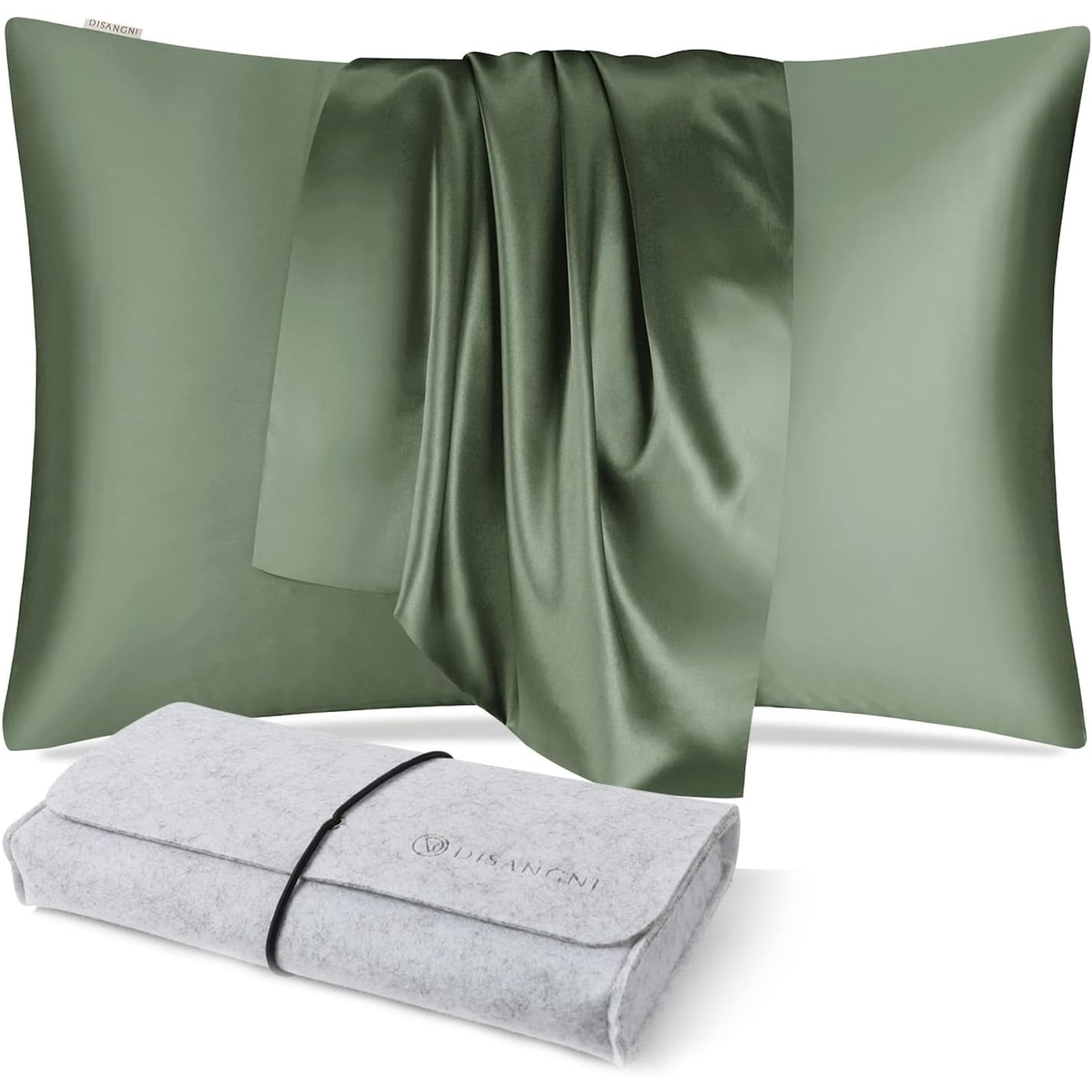
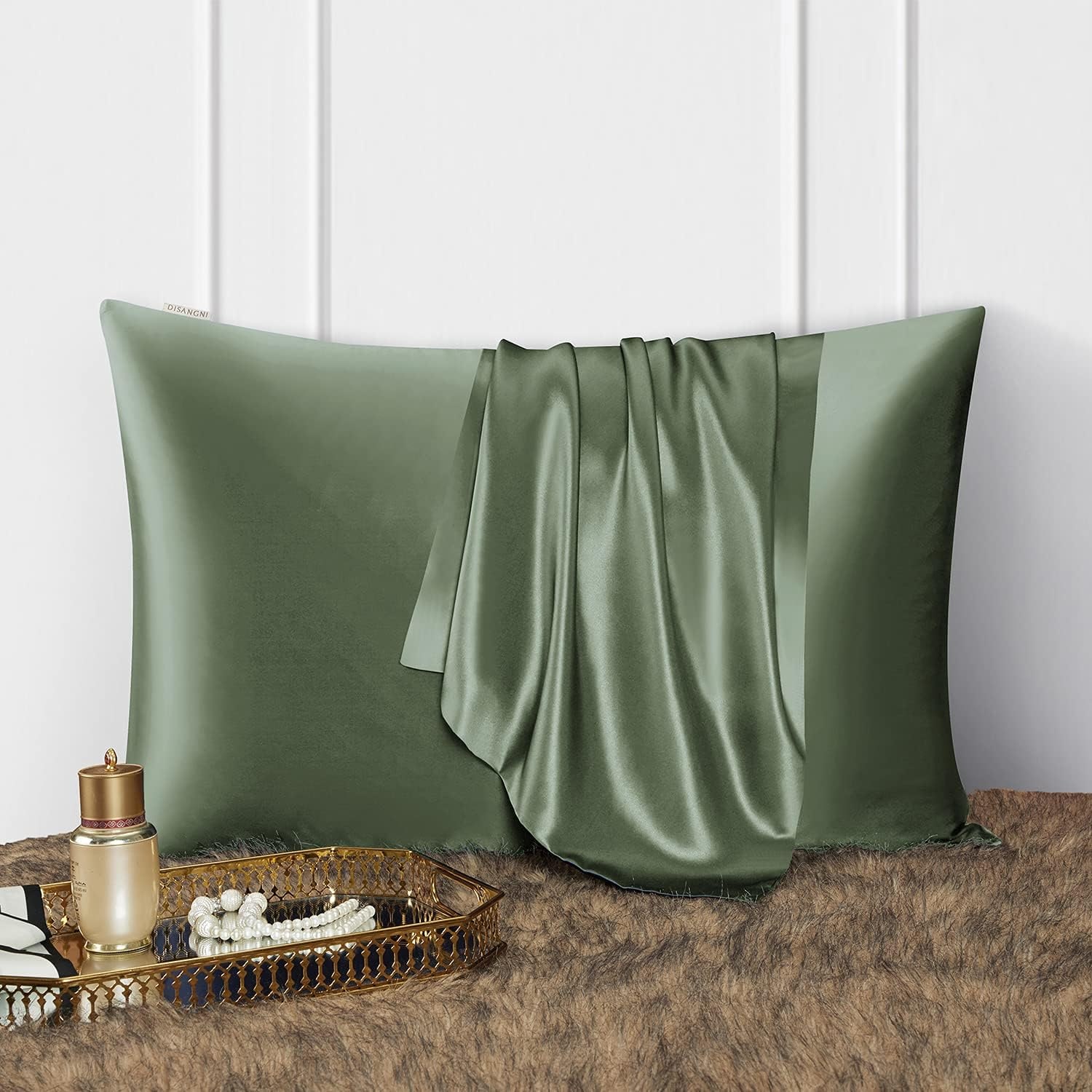
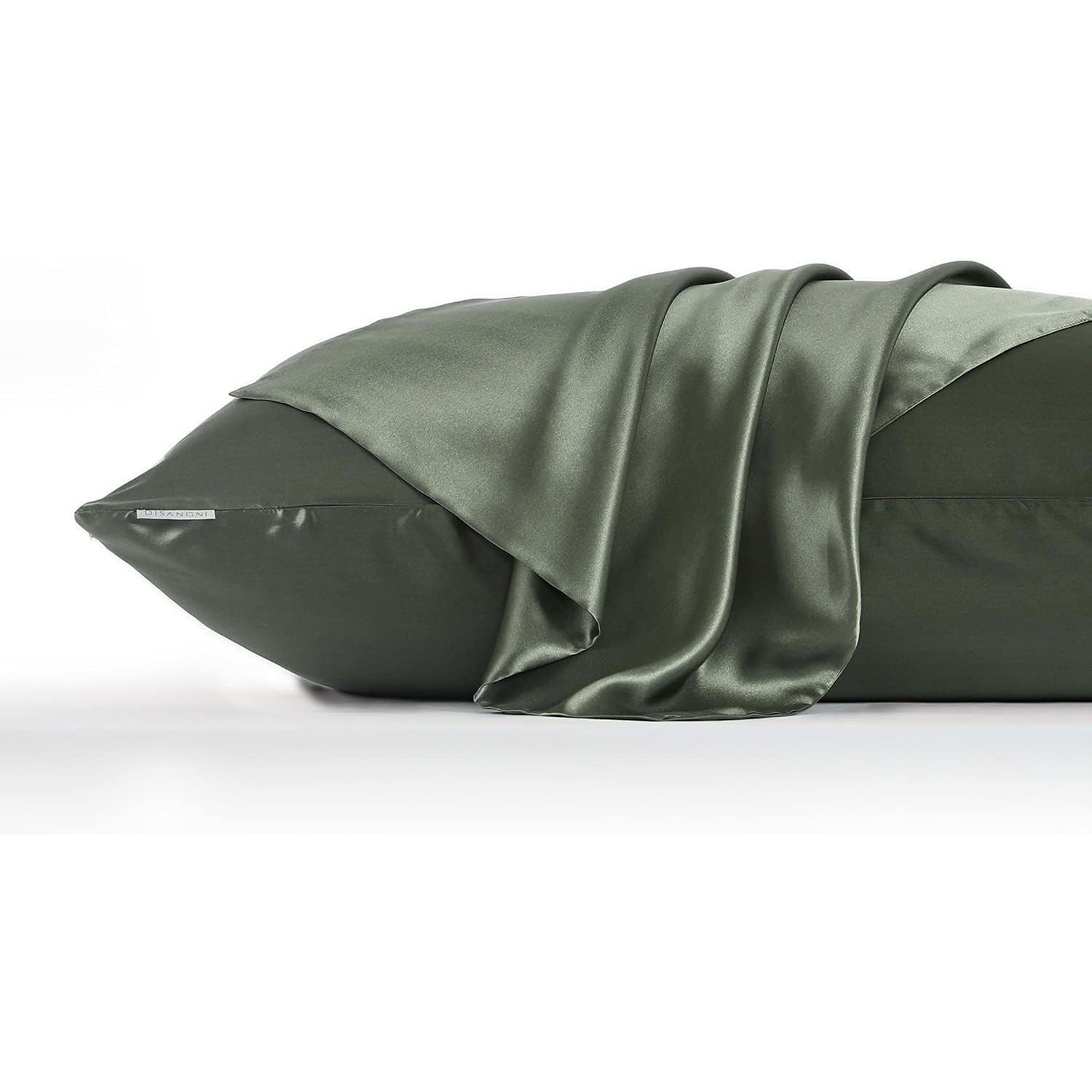
This particular pillowcase is a standard-size case in 100% mulberry silk, green, 22 momme, with an invisible zip. Below is how to work out whether it is the right one for your bed.
What momme actually tells you
If you have shopped for silk bedding before, you have seen the word momme and probably skipped past it. It is worth two minutes.
Momme is simply a weight measure for silk fabric. Think of it the way you think of GSM for a towel. Silk pillowcases usually sit somewhere between 16 and 25 momme. Below 19, the fabric starts to feel thin and a bit papery, and it does not drape well over a pillow. Above 25 it gets quite heavy and the price climbs sharply.
Twenty-two momme is the spot most people land on. It has enough body that the case sits properly on the pillow instead of clinging to it, and it handles being washed and handled without feeling fragile. When people go looking for the best 22 momme silk pillowcase, this is why. It is the sensible middle.
Thread count is the other number, here 600. On cotton, thread count is the headline figure. On silk it matters less, because the fibres themselves are so fine, and momme does a better job of describing what you will actually feel. A 600 count at 22 momme points to a fine, tight, even weave. Take the momme number as the main one and treat thread count as supporting information.
Mulberry silk, and why it is specified
Silk is not all the same. Mulberry silk comes from silkworms raised on mulberry leaves, which gives long, uniform fibres. Those long fibres are what produce the even, smooth surface people associate with silk. Other silks come from worms with a mixed diet, and the fibres are shorter and less regular, so the fabric has more texture to it.
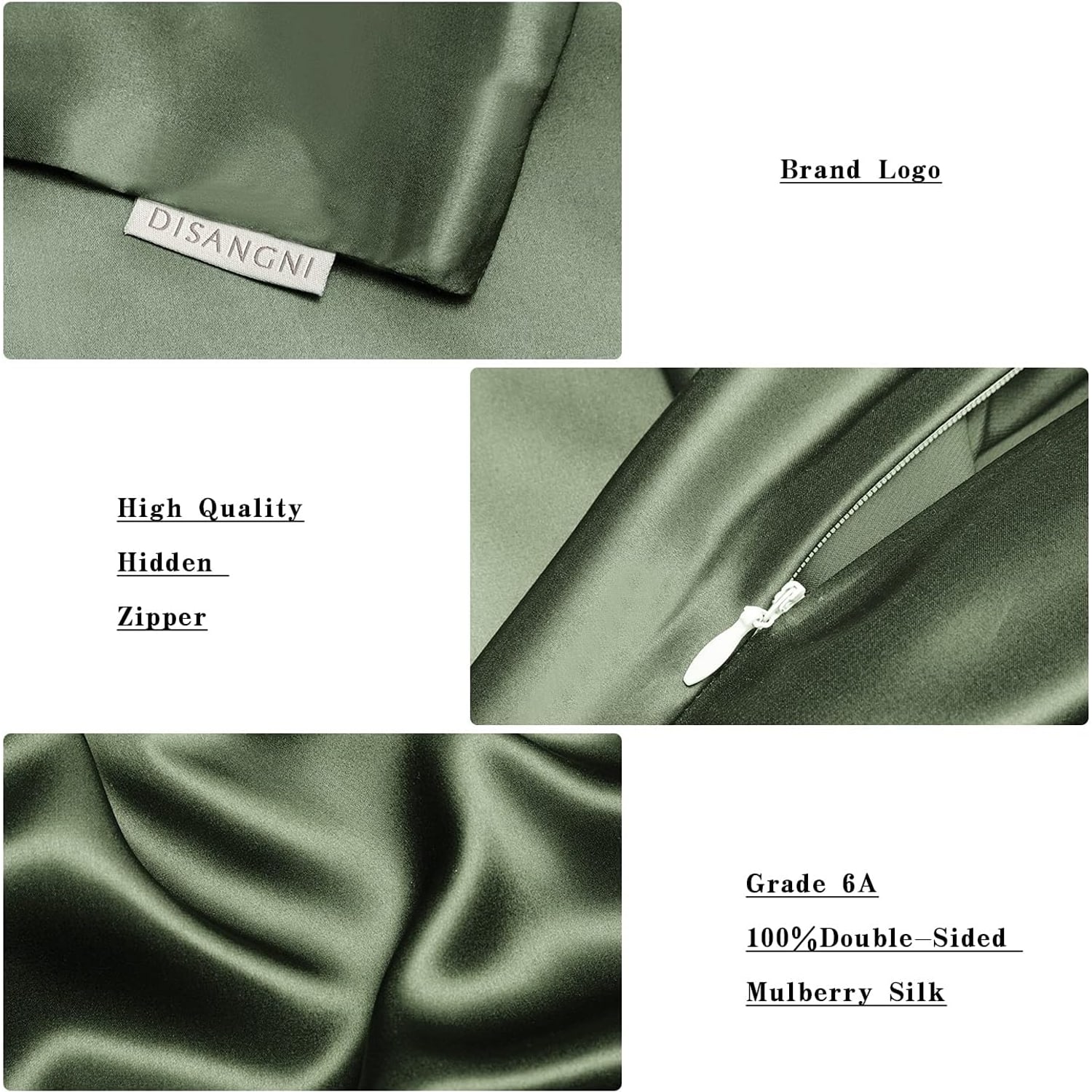
This case is 100% mulberry silk on both faces. That second part matters more than it sounds. Some cheaper cases are silk on the sleeping side and something else on the back. Here both sides are the same, so you can flip the pillow over without losing the feel. If you are comparing options and trying to find the best 100% silk pillowcase, checking whether both faces are silk is one of the fastest ways to sort the real ones from the near misses.
Get the size right before anything else
This is the part people get wrong, and it is worth slowing down for.
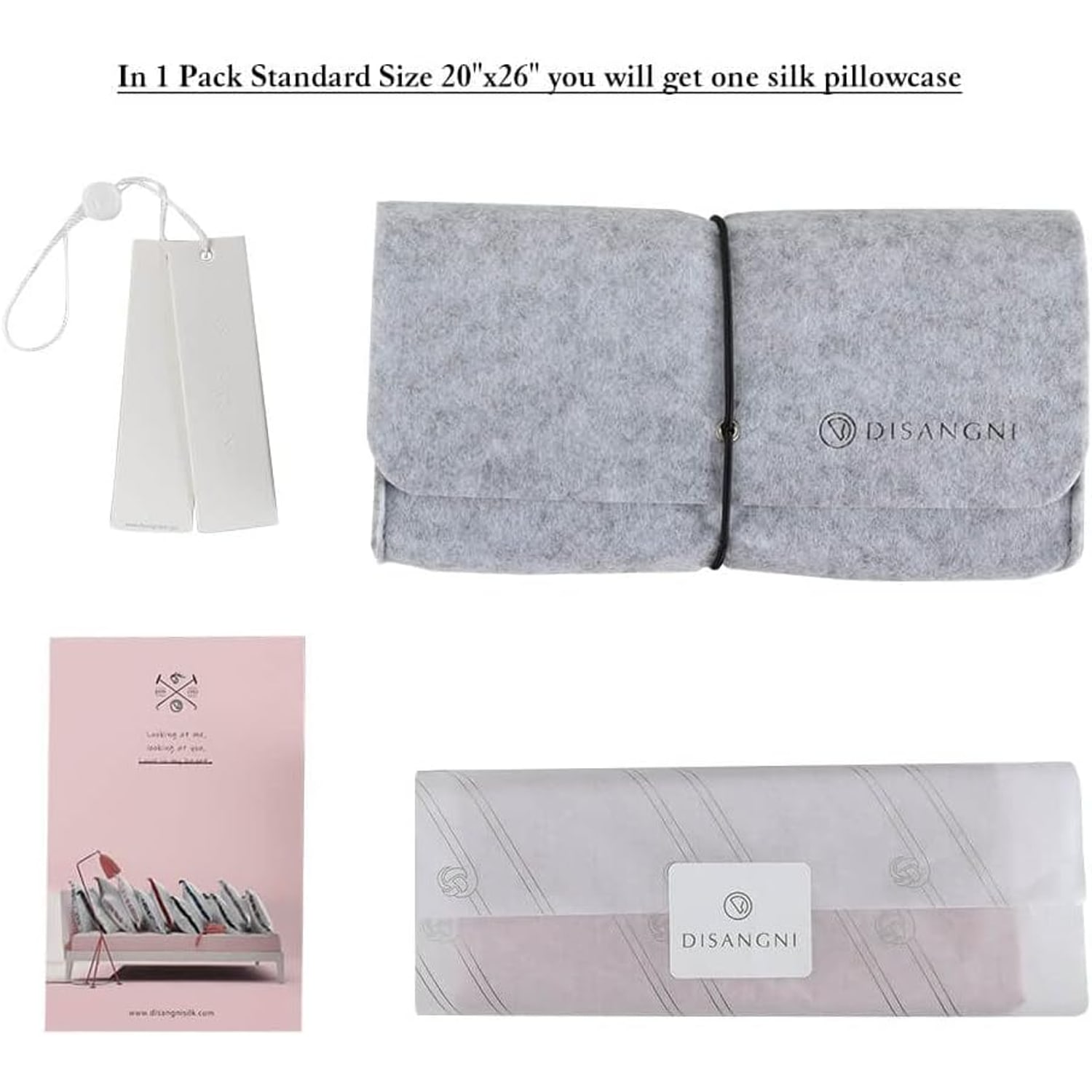
The case is cut to 51 x 66 cm, which is 20 by 26 inches. That is the American standard size. A lot of silk bedding is made to American measurements, including plenty of what is sold here.
A typical South African pillow is closer to 45 x 70 cm. Narrower and longer. So the width is not the problem. The length is. A 70 cm pillow going into a 66 cm case is four centimetres over, and depending on how firm and plump your pillow is, that is either a tight squeeze or a no.
Do this before you order. Take the pillow off the bed, lay it flat, and measure it properly in centimetres, not by eye. If it comes in at or under 66 cm long and around 51 cm wide, you are fine. If it is longer, look at a queen cut instead, which is usually around 51 x 76 cm. Searching for the best standard size silk pillowcase is only useful once you know standard is what you need.
If your pillow is slightly under the case dimensions, that is not a problem. A little room means the silk drapes rather than stretching tight over the corners, which actually looks better.
The zip, and why it is there
The closure is an invisible zip set into one edge. The teeth sit behind the fabric so the zip almost disappears when it is closed.
The practical benefit is that the pillow stays put. Envelope-style cases, the ones with a fabric flap tucked inside, tend to work loose over a few nights and leave a corner of pillow poking out. A zip does not do that. The bed looks tidier and the case stops sliding around.
Two small habits. Open the zip completely before you put the pillow in, then fold the pillow lengthwise and feed it in corner by corner rather than forcing it. And when you make the bed, put the zip end at the foot of the pillow, away from your face. Anyone looking at the best silk pillowcase with zip options should do the same regardless of which one they end up with.
Living with silk, honestly
Silk needs a bit more care than cotton. Not a lot, but some, and it is better to know up front than to be annoyed later.
Hand wash only. Water no warmer than 30 degrees Celsius, which is cool to the touch. Soak the case in clean water first, then dissolve a mild detergent fully in the water before the silk goes in. Undissolved detergent sitting on silk is one of the quicker ways to mark it. Wash it on its own or with similar colours, and keep bleach well away.
When it comes out, press the water out gently. Do not wring it, do not twist it. Lay it flat or hang it in the shade. Direct sun is the main thing that dulls coloured silk, and heat from a tumble dryer will do worse. If it needs pressing, use the lowest iron setting on the reverse side while it is still a bit damp.
Deal with marks the same day they happen. A fresh stain on silk lifts out with cool water and gentle handling. A dried one is a much bigger job.
Once a week is a reasonable washing rhythm, matching the rest of your bedding. If you use oils or creams at night, go more often. People who want the best silk pillowcase to hand wash often buy two and rotate them, which means one is always on the bed.
Who this suits, and who it does not
It suits anyone whose pillow measures up to roughly 51 x 66 cm and who does not mind washing something by hand once a week. It suits people who sleep warm, because silk does feel cooler against the face than cotton. It also makes an easy gift, since a plain green case does not need you to know what bedding someone already owns.
It does not suit someone with a long 70 cm pillow who does not want to swap pillows. It also does not suit anyone who wants to throw bedding in the machine and forget about it. That is a fair preference, it just is not what silk is.
The short version
Twenty-two momme is a good, usable weight, heavy enough to feel proper and not so heavy that the price gets silly. Both sides are 100% mulberry silk, so no surprise cotton backing. The invisible zip keeps the pillow where it should be. Green works with almost anything.
The only real decision is size. Measure your pillow flat, in centimetres, and compare it to 51 x 66. Get that right and the rest takes care of itself.